Internet Censorship
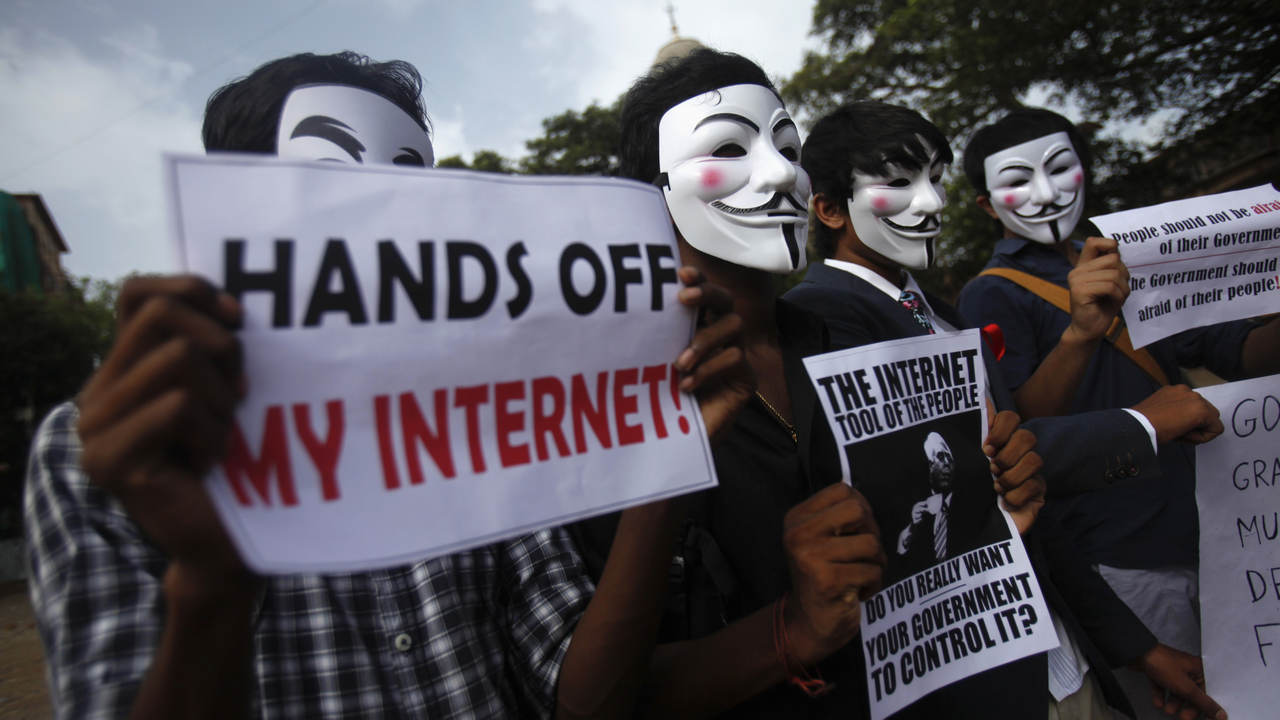
Internet censorship represents the control, suppression, and regulation of information shared or accessed through the internet. This practice has become increasingly prevalent across the world, raising important questions about freedom of expression, access to information, and digital rights.
Governments, organizations, and institutions implement various forms of internet censorship through different methods, including:
- Content filtering and blocking
- IP address blocking
- DNS manipulation
- Bandwidth throttling
While proponents argue that censorship helps protect national security, prevent cyber crimes, and shield vulnerable populations from harmful content, critics maintain that it often serves as a tool for political control and can infringe upon basic human rights.
The debate around internet censorship touches on fundamental aspects of modern society, including:
- Freedom of speech and expression
- Access to information
- Privacy rights
- National sovereignty
- Digital democracy
Understanding internet censorship is crucial in today’s interconnected world, as it affects how people communicate, access information, and participate in the global digital community.